
Leading Products for Culvert Pipe Blockage Clearing and Maintenance
Choose from top-rated tools and solutions designed to efficiently remove blockages and keep culverts functioning properly.
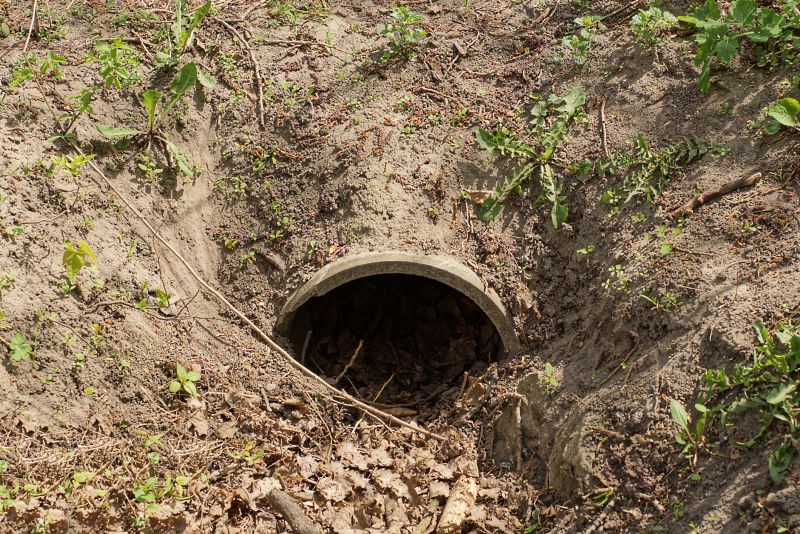 Culvert pipe blockages can pose significant challenges for drainage systems in agricultural, industrial, and municipal settings. When debris, sediment, or buildup obstructs culvert pipes, it can lead to water backup, erosion, and potential infrastructure damage. Addressing these blockages efficiently requires specialized tools and products designed to clear and maintain culvert pathways. Proper selection of removal products can help ensure smooth water flow and reduce the risk of future obstructions.
Top Overall Option
Flexible Drain Snake with Ergonomic Handle
A versatile and easy-to-use manual tool designed to navigate through culvert pipes of various sizes. Its flexible, durable cable allows for effective probing and removal of obstructions, while the ergonomic handle provides comfortable grip during extended use. Suitable for moderate blockages and routine maintenance, this tool offers a reliable option for many culvert cleaning tasks.
Types of Products For Culvert Pipe Blockage Removals
Manual Drain Snakes
Hand-operated tools ideal for small to medium blockages, providing control and precision in tight spaces.
Powered Augers
Motorized devices designed to break up and remove tougher obstructions within culvert pipes.
High-Pressure Water Jetters
Devices that use high-pressure water streams to flush out debris and clear pipe blockages effectively.
Chemical Pipe Cleaners
Chemical solutions formulated to dissolve organic buildup and minor obstructions, used cautiously.
Flexible Inspection Cameras
Cameras that allow for visual inspection inside culvert pipes to identify blockages and assess pipe condition.
Drain Brushes and Scrapers
Manual tools for scrubbing and removing surface buildup within pipes, suitable for maintenance.
Hydro-Jetting Attachments
Specialized nozzles attachable to water jetters for enhanced cleaning of stubborn obstructions.
Portable Drain Clearing Pumps
Compact pumps that can be used to remove water and debris from culverts during blockage removal.
Drain Cleaning Robots
Automated devices equipped with brushes and scrapers to navigate and clean pipes with minimal manual effort.
Debris Collection Bags and Traps
Accessories designed to catch and contain debris during cleaning operations, simplifying disposal.
Popular Choices
A common manual tool appreciated for its ease of use in small to medium blockages.
Widely used for effective flushing of debris and buildup in culvert pipes.
Popular for tackling tougher obstructions with powered assistance.
Frequently chosen for visual assessment of pipe conditions and locating blockages.
Commonly used for routine maintenance to dissolve minor organic buildup.
Versatile manual brushes used regularly for surface cleaning inside pipes.
Preferred for their ability to reach and clean difficult areas within pipes.
Popular for removing water and debris during blockage clearing operations.
Increasingly used for thorough cleaning in larger or hard-to-reach culverts.
Helpful accessories for managing debris during maintenance activities.
A variety of tools are available to tackle culvert pipe blockages, ranging from manual augers to powered jetting devices. Manual tools like drain snakes and flexible augers are suitable for smaller or less severe blockages, providing control and precision. For more stubborn or larger obstructions, powered jetting systems and high-pressure water blasters can be effective in breaking up debris and flushing out the pipes. Additionally, chemical solutions may be used to dissolve organic buildup, but these should be used cautiously and in accordance with safety guidelines.
Maintaining culvert pipes involves regular inspection and prompt removal of blockages to prevent long-term damage. Investing in the right products can make routine maintenance safer and more efficient. When selecting tools, consider the pipe diameter, the type of blockage, and the accessibility of the culvert site. Proper safety gear and handling instructions are also essential to ensure safe operation during removal procedures. With the right equipment, users can manage culvert blockages more effectively, minimizing downtime and potential repair costs.
Key Buying Considerations
- Pipe diameter and length: Ensure the tool is suitable for the size and depth of the culvert pipe.
- Type of blockage: Different tools are better suited for organic buildup, debris, or compacted sediments.
- Manual versus powered: Consider physical effort required versus the efficiency of motorized options.
- Ease of use: Look for ergonomic designs and straightforward operation, especially for frequent use.
- Material compatibility: Verify that the tool materials are compatible with the pipe material to prevent damage.
- Safety features: Ensure safety mechanisms are in place to protect operators during use.
- Inspection capabilities: Incorporating cameras can help accurately locate blockages and assess pipe condition.
- Maintenance and durability: Choose tools that are easy to clean and built to withstand regular use.
- Portability: Consider weight and size if the tool needs to be transported to various sites.
- Chemical compatibility: If using chemical cleaners, confirm they are safe for the pipe material and environment.
- Cost and warranty: Balance initial investment with durability and manufacturer support.
- Availability of accessories: Additional nozzles, brushes, or replacement parts can enhance functionality.
- Environmental considerations: Avoid tools or chemicals that could cause unintended environmental harm.
- Regulatory compliance: Ensure tools meet safety standards relevant to your region.