Optimal Timing for Culvert Blockage Removal
Culvert pipe blockage removals are most effective when performed during periods of low water flow or dry weather, reducing the risk of additional debris accumulation. Regular inspections before and after heavy rainfall can help identify blockages early, preventing infrastructure damage and flooding.
Spring and fall often see increased debris from plant growth and fallen leaves, making these seasons ideal for removal activities.
Perform blockage removals during dry periods to minimize water flow interference and improve safety.
Scheduling removals before heavy storms can prevent backups, while post-storm inspections ensure that blockages are cleared promptly.
Implementing routine checks annually or semi-annually helps maintain proper flow and reduces emergency repairs.
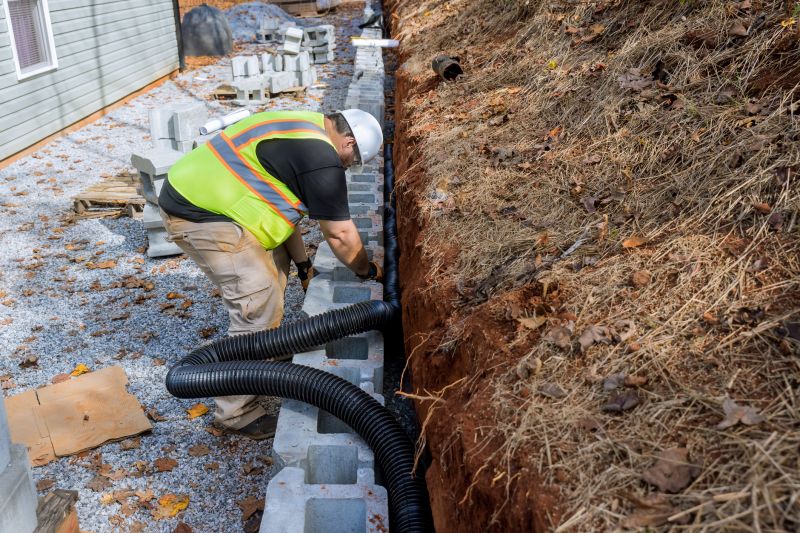
Ways to make Culvert Pipe Blockage Removals work in tight or awkward layouts.
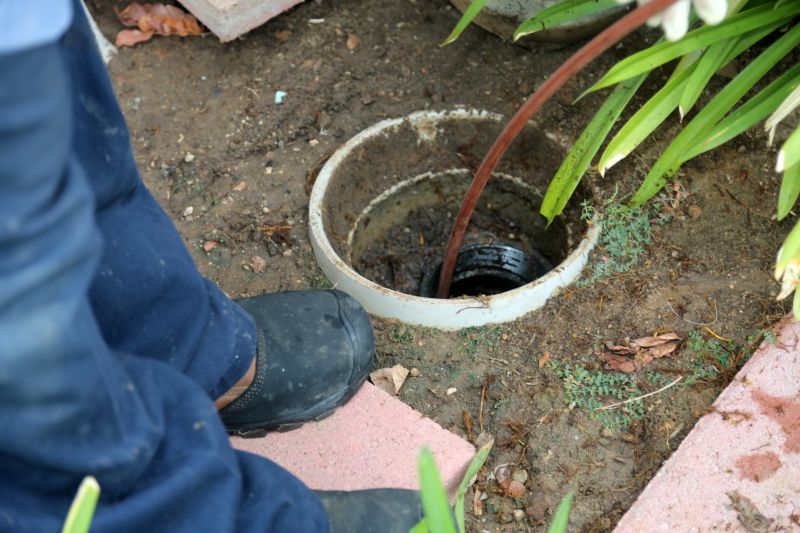
Popular materials for Culvert Pipe Blockage Removals and why they hold up over time.
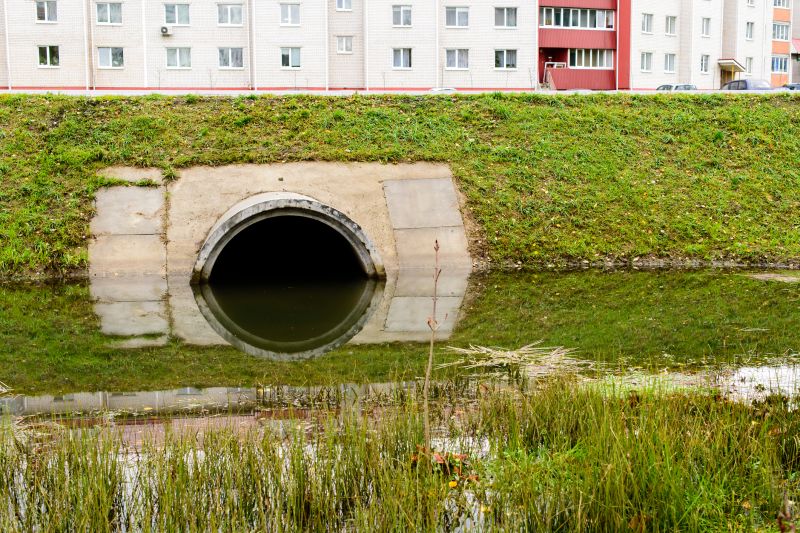
Simple add-ons that improve Culvert Pipe Blockage Removals without blowing the budget.
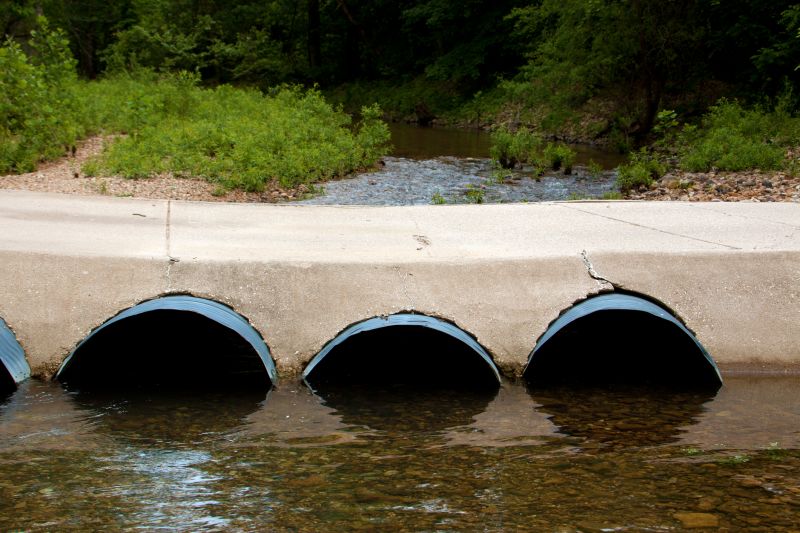
High-end options that actually feel worth it for Culvert Pipe Blockage Removals.
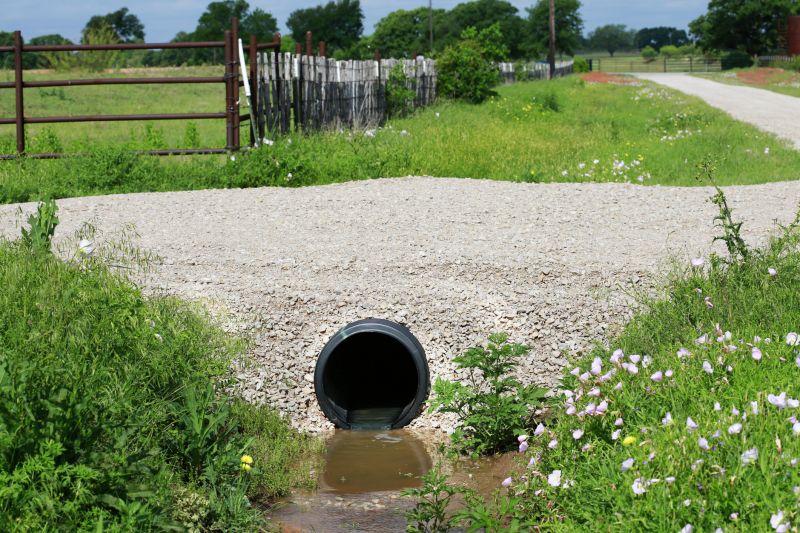
Finishes and colors that play nicely with Culvert Pipe Blockage Removals.
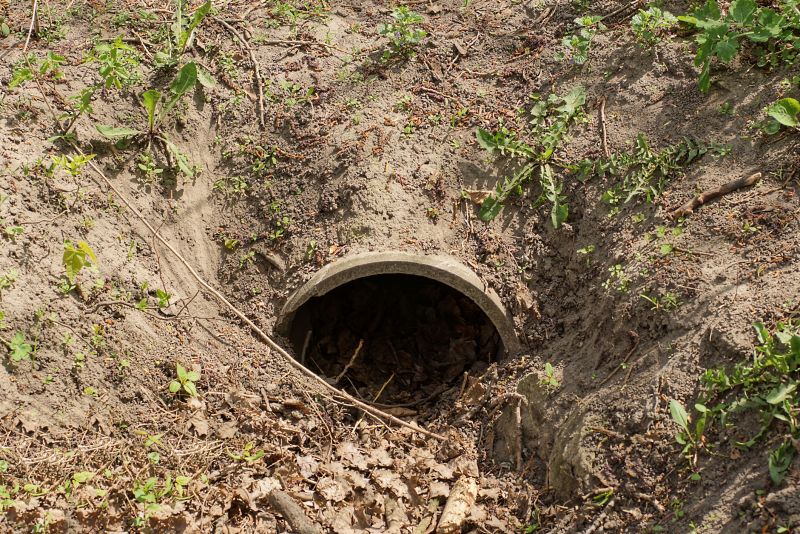
Little measurements that prevent headaches on Culvert Pipe Blockage Removals day.
| Best Time Period | Recommended Activity |
|---|---|
| Spring | Inspect and remove debris from culverts to prepare for increased rainfall. |
| Summer | Perform maintenance during dry spells to prevent blockages. |
| Fall | Clear leaves and organic matter to prevent clogging. |
| Winter | Conduct inspections where weather permits; avoid during snow or ice. |
| Pre-storm | Schedule removals to prevent backups during heavy rain. |
| Post-storm | Assess and clear any debris caused by storm activity. |
Culvert pipe blockage removals are critical for maintaining proper drainage and preventing flooding. Blockages can occur from organic debris, sediment buildup, or invasive plant growth, especially after periods of heavy rain or storms. Regular maintenance reduces the likelihood of costly repairs and infrastructure damage. Statistics indicate that timely removal can decrease flood-related damages by up to 30 percent and extend the lifespan of culvert systems.
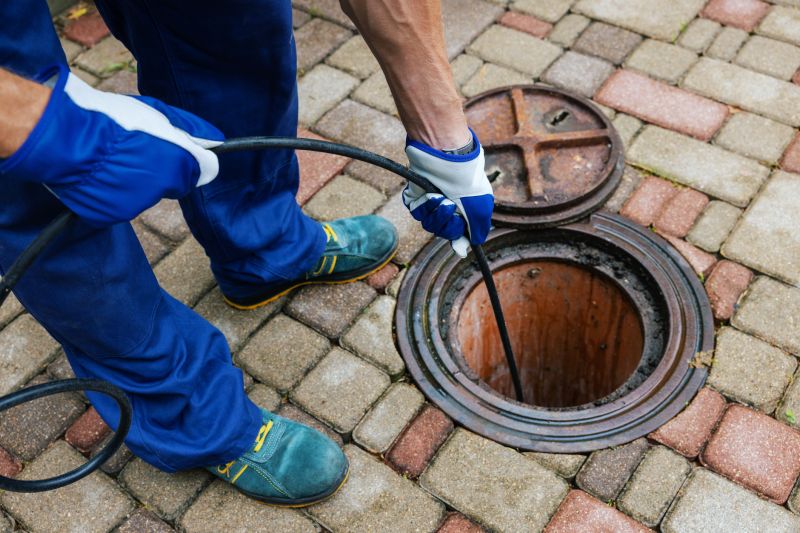
A 60-second routine that keeps Culvert Pipe Blockage Removals looking new.
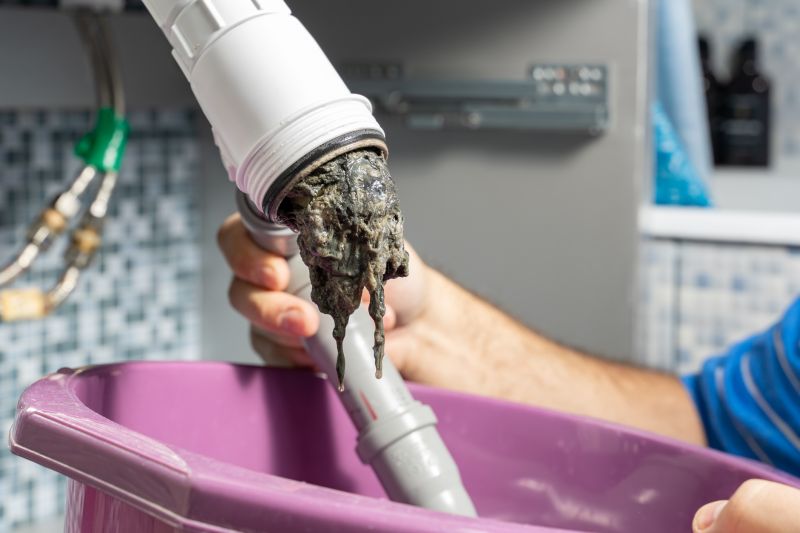
A frequent mistake in Culvert Pipe Blockage Removals and how to dodge it.
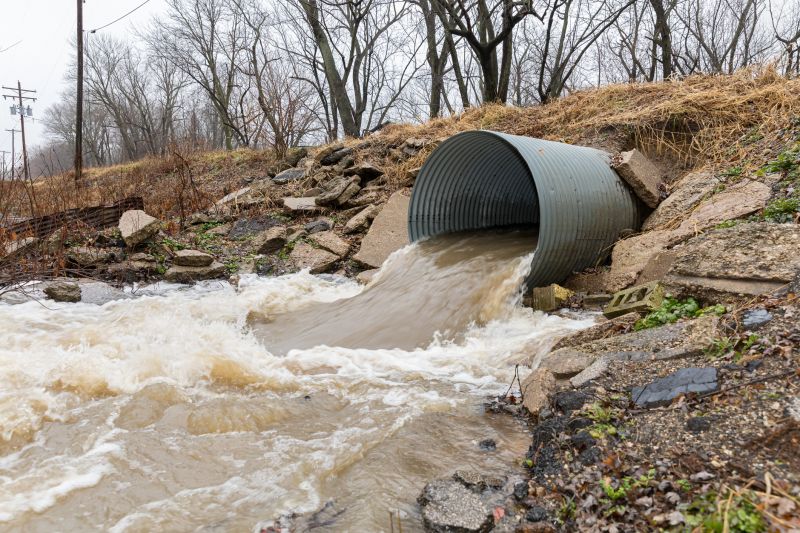
Small tweaks to make Culvert Pipe Blockage Removals safer and easier to use.
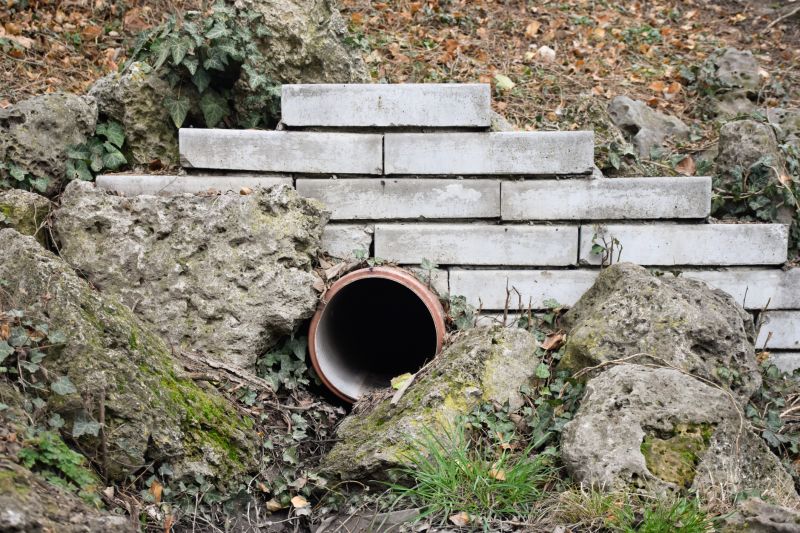
Lower-waste or water-saving choices for Culvert Pipe Blockage Removals.
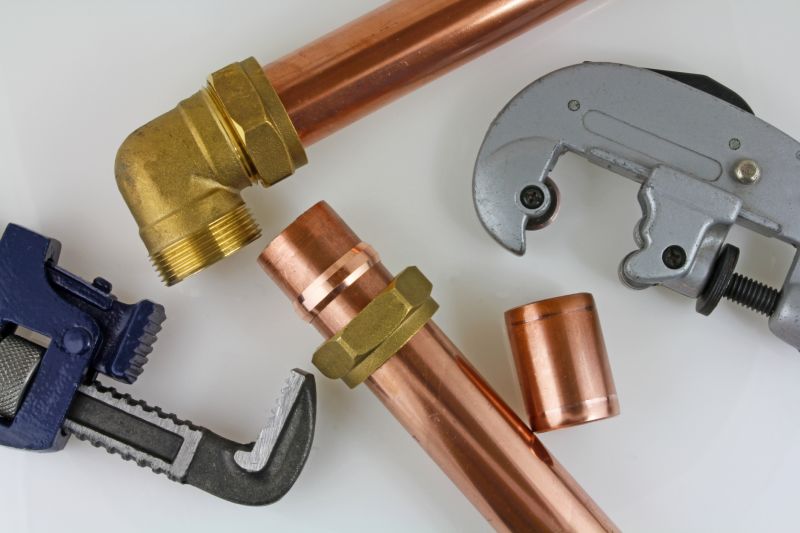
The short, realistic tool list for quality Culvert Pipe Blockage Removals.
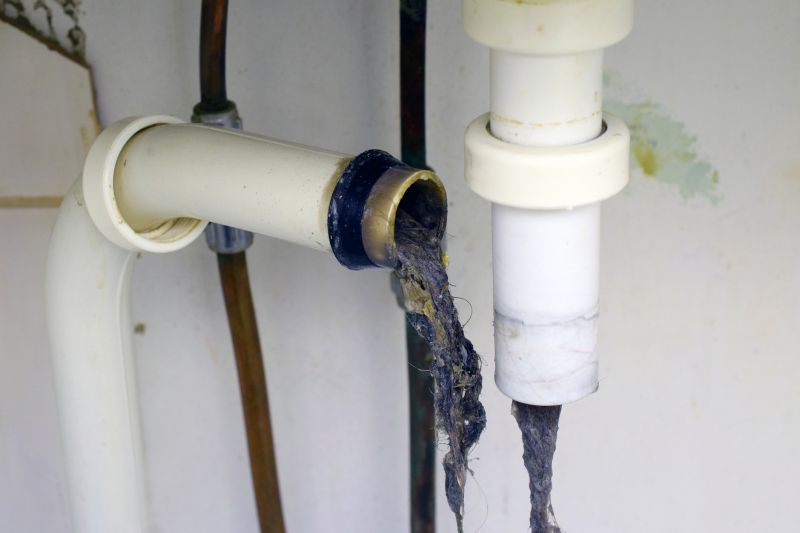
Rough timing from prep to clean-up for Culvert Pipe Blockage Removals.
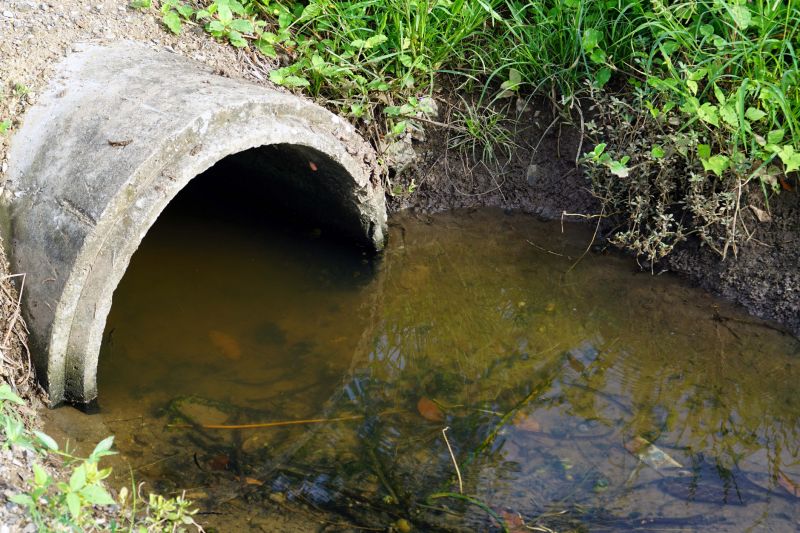
Quick checks and paperwork to keep after Culvert Pipe Blockage Removals.
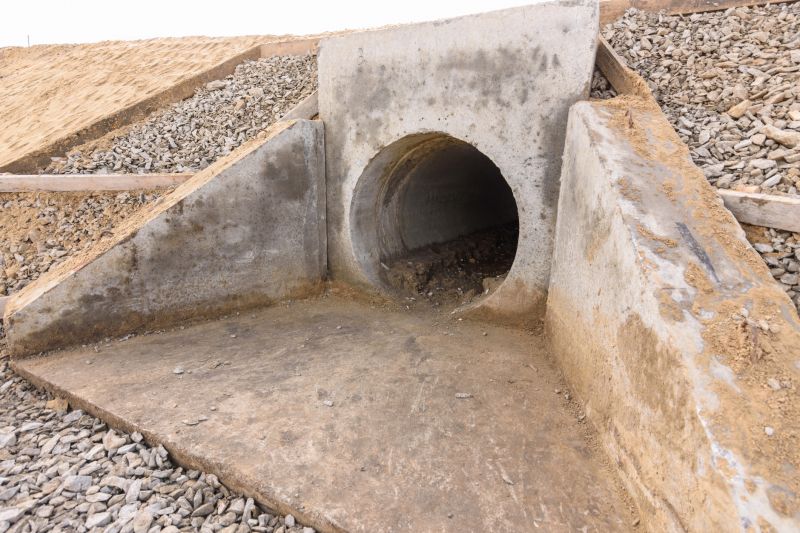
Examples that show the impact a good Culvert Pipe Blockage Removals can make.
For optimal results, scheduling culvert pipe blockage removals during dry, stable weather conditions enhances safety and efficiency. Maintaining a regular inspection and removal schedule ensures that culverts function correctly, reducing the risk of flooding and infrastructure failure. Interested parties are encouraged to contact for more information or to arrange a maintenance assessment.