Get Culvert Pipe Blockage Removal in Seattle, WA
Local contractors in Seattle and nearby areas can handle culvert pipe blockage removal to prevent flooding, improve drainage, and address issues in driveways, yards, or stormwater systems.
Property owners in Seattle, WA, who are planning drainage or landscaping projects often need reliable culvert pipe blockage removal services to ensure proper water flow and prevent potential flooding. Blockages in culvert pipes can lead to serious issues, including property damage and erosion, especially during heavy rainfalls common in the region. Exploring options with local contractors who specialize in culvert maintenance can help ensure that drainage systems function effectively, supporting the stability and safety of your property.
If you are considering repairs or upgrades to your drainage infrastructure, it’s important to compare local service providers who have experience handling culvert pipe issues specific to Seattle’s climate and terrain. Connecting with qualified contractors can provide peace of mind and help you find practical solutions suited to your property’s needs. Keep reading to discover how local experts can assist with culvert pipe blockage removal and support your project planning.
- Residential Culvert Pipe Blockage Removal - needed when homeowners in neighborhoods like Ballard or West Seattle experience drainage backups in their property.
- Commercial Culvert Pipe Clearing - required for businesses in industrial areas facing slow or clogged drainage systems affecting daily operations.
- Municipal Drainage System Maintenance - necessary when city infrastructure in areas such as Capitol Hill or South Park shows signs of blockages or flooding issues.
- Flood Prevention and Drainage Repair - needed after heavy rains cause water to pool or flood in streets and parking lots in neighborhoods like Queen Anne or Fremont.
- Emergency Culvert Blockage Response - required when sudden pipe obstructions lead to immediate flooding or property damage in local developments.
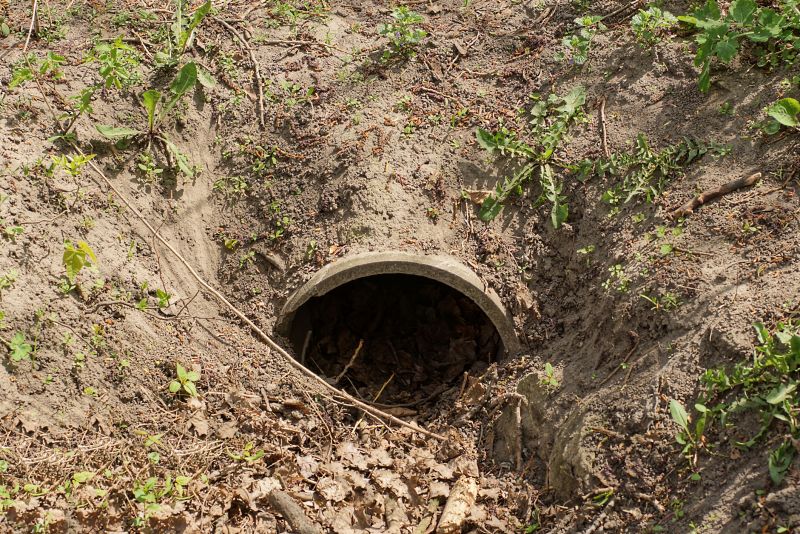
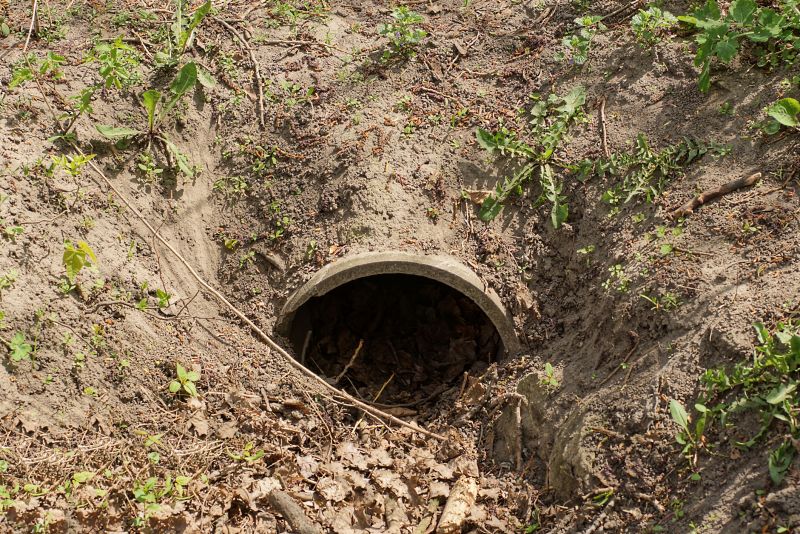
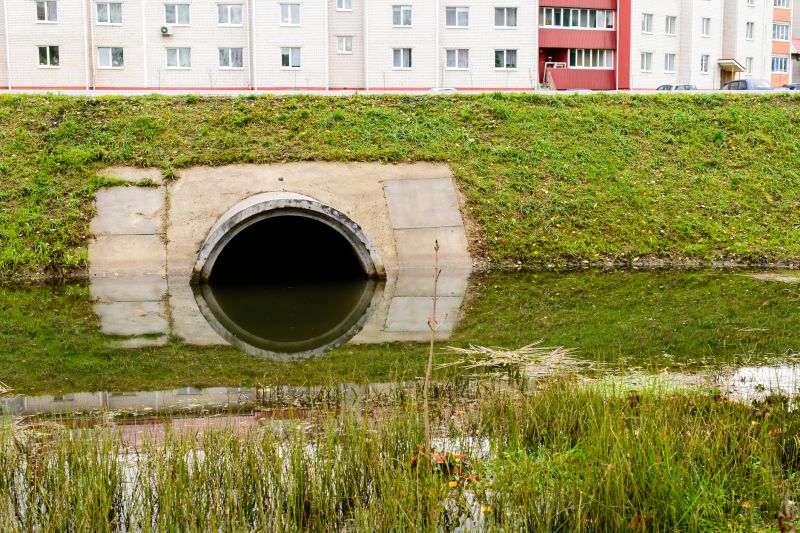
Culvert pipe blockage removal services involve the process of clearing obstructions that hinder the proper flow of water through underground culverts. These pipes are commonly used to direct stormwater, groundwater, or runoff away from properties and roadways, helping to prevent flooding and water damage. When debris, dirt, sediment, or invasive plant roots clog culverts, water can back up, leading to pooling, erosion, or even structural damage over time. Professional contractors utilize specialized equipment to locate blockages accurately and remove them efficiently, restoring the free flow of water and protecting property foundations.
This service is essential for solving a range of drainage problems that can impact residential, commercial, and public properties. Blocked culverts can cause localized flooding during heavy rains, undermine driveways or landscaping, and create standing water that attracts pests or causes mold issues. Regular maintenance or urgent removal of obstructions can prevent these problems from escalating. Homeowners who notice water pooling around their property, slow drainage in gutters, or signs of erosion near drainage pathways should consider culvert pipe blockage removal to maintain proper water management.
Typically, properties that rely on underground drainage systems-such as homes with extensive landscaping, properties situated on slopes, or those near water bodies-are more likely to need culvert pipe blockage removal services. Rural properties, commercial sites with large drainage networks, and public infrastructure like roads and bridges also depend on clear culverts to function correctly. When blockages occur, these properties may experience increased flooding risk, property damage, or operational disruptions. Engaging experienced local contractors ensures that the culverts are thoroughly cleared and remain functional, helping to safeguard the property and its surroundings.
If signs of drainage issues or standing water are visible on a property, it may be time to contact a professional for culvert pipe blockage removal. Local service providers have the expertise and equipment to assess the situation, locate the blockage, and perform the necessary clearing work. Regular inspections and timely intervention can help prevent more extensive damage or costly repairs later on. Property owners in areas prone to heavy rainfall or with aging drainage infrastructure are encouraged to seek out experienced contractors to keep their drainage systems in optimal condition.
The overview below groups typical Culvert Pipe Blockage Removal projects into broad ranges so you can see how smaller, mid-sized, and larger jobs often compare in Seattle, WA.
In many markets, a large share of routine jobs stays in the lower and middle ranges, while only a smaller percentage of projects moves into the highest bands when the work is more complex or site conditions are harder than average.
Smaller Blockages - Typical costs for clearing minor culvert pipe blockages range from $250 to $600. Many routine jobs fall within this middle range, depending on access and pipe length. Larger or more difficult blockages can push costs higher but are less common.
Moderate Repairs - For more extensive blockage removal or partial pipe repairs, costs generally range from $600 to $1,500. These projects often involve additional labor or equipment, which can influence the final price. Fewer jobs reach into the upper end of this range.
Full Pipe Replacement - Complete culvert pipe replacements typically cost between $2,500 and $5,000 or more. Larger, more complex projects, especially in challenging locations, can exceed this range, but such cases are less frequent.
Emergency or Complex Situations - Emergency services or highly complex projects with significant access issues can cost $5,000 and up. These scenarios are less common but may involve additional factors that influence pricing significantly.
Actual totals will depend on details like access to the work area, the scope of the project, and the materials selected, so use these as general starting points rather than exact figures.
Storm Drain Cleaning - professionals who clear blockages in storm drains use similar techniques and equipment to remove debris and obstructions from culvert pipes.
Drain Pipe Repair - contractors skilled in repairing damaged or cracked pipes have experience with pipe assessment and restoration methods related to culvert maintenance.
Water Main Leak Detection - specialists who locate and address leaks in water mains utilize diagnostic tools and planning strategies applicable to culvert pipe inspections.
Sewer Line Inspection - service providers conducting sewer line camera inspections are familiar with evaluating pipe conditions and identifying blockages in underground piping systems.
Drainage System Installation - experts installing new drainage infrastructure possess skills in planning and executing pipe layouts similar to culvert system setups.
Hydro-jetting Services - professionals using high-pressure water jetting to clear clogs have techniques that can be applied to remove stubborn blockages in culvert pipes.
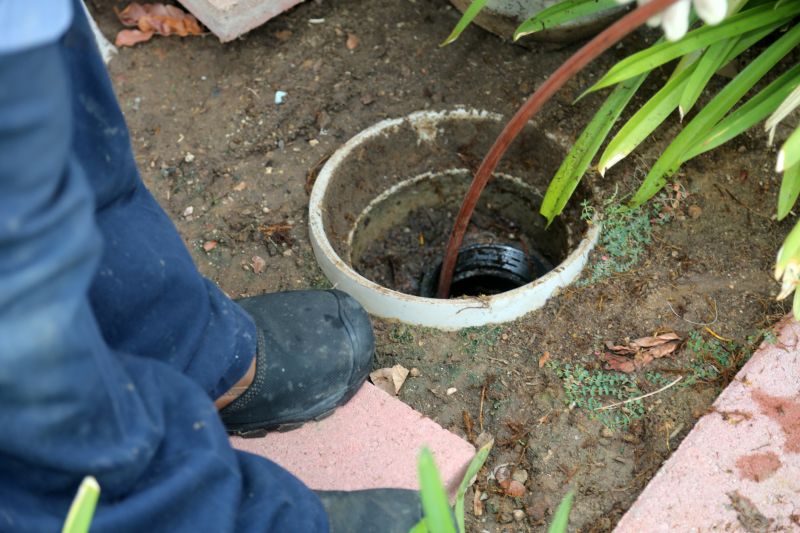
When evaluating service providers for culvert pipe blockage removal, it’s important to consider their experience with similar projects. Homeowners should inquire about how long a contractor has been handling culvert and drainage issues in the Seattle area, as well as the types of systems they have worked on. A contractor with a proven track record in resolving comparable problems is more likely to understand the complexities involved and deliver effective solutions. Asking for details about past projects can help gauge their familiarity with local soil conditions, common drainage challenges, and the best techniques suited for the region.
Clear, written expectations are essential for ensuring that both the homeowner and the service provider are aligned on the scope of work. Homeowners should seek detailed descriptions of the services offered, including what is included and what might incur additional charges. A reputable contractor will be transparent about the process, materials, and any potential disruptions. Having these expectations documented helps prevent misunderstandings and provides a reference point throughout the project, making it easier to assess whether the service provider’s approach matches the homeowner’s needs.
Reputable references and effective communication are key factors when choosing a local contractor. Homeowners should ask for references from past clients who had similar culvert or drainage issues, especially in the local area. This allows for insight into the contractor’s reliability, quality of work, and professionalism. Additionally, good communication from the service provider-such as responsiveness, clarity, and willingness to answer questions-can significantly impact the overall experience. Building a relationship based on trust and transparency helps ensure that the project proceeds smoothly and that any concerns are addressed promptly.
Property owners in Seattle, WA use Culvert Pipe Blockage Removal services for practical projects around their homes and businesses. This guide focuses on everyday jobs and straightforward project options.
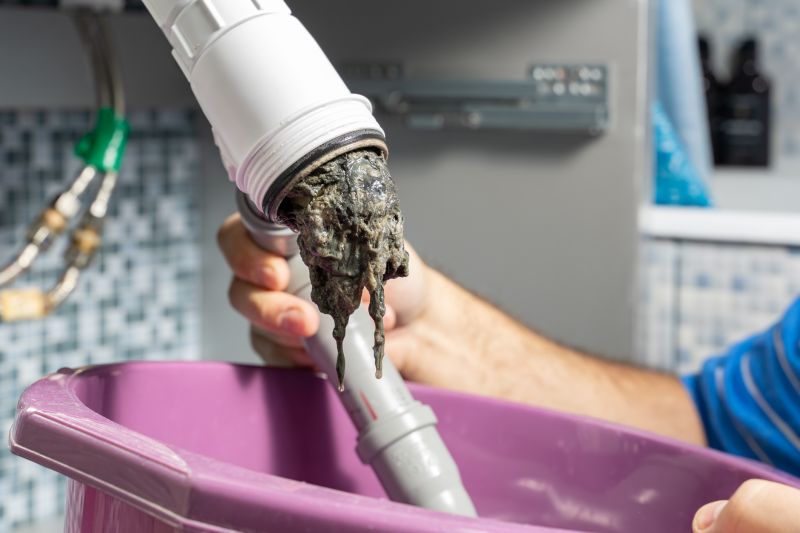
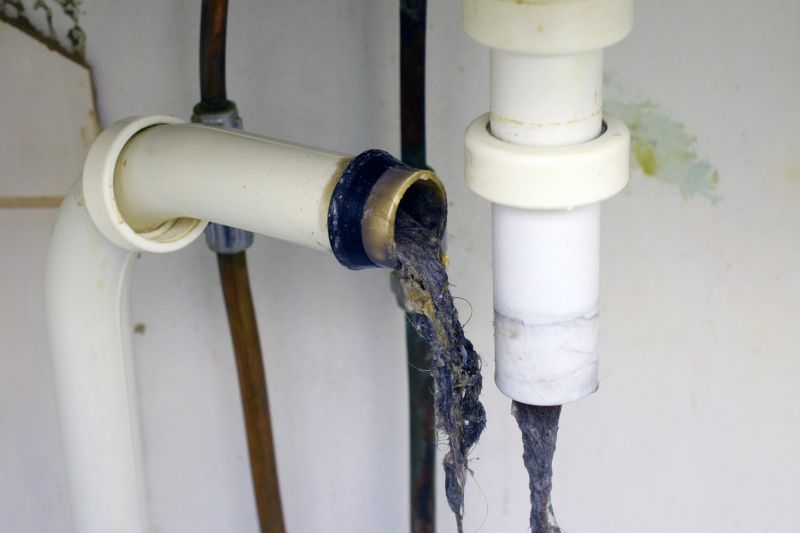
Culvert pipe blockages are a common issue for property owners in Seattle, WA, especially after heavy rains or seasonal changes. Blockages can lead to water pooling, flooding, or drainage problems that affect driveways, yards, and basements. Local contractors experienced in culvert maintenance can assess the situation, identify the cause of the blockage, and perform the necessary removal to restore proper drainage. These services are often needed for residential properties, commercial sites, or land development projects where efficient water flow is essential.
Property owners might seek culvert pipe blockage removal when noticing persistent water backups or signs of erosion around their property. Over time, debris, sediment, or even small animals can cause obstructions that hinder water movement. Local service providers in Seattle are equipped to handle these everyday issues, helping to prevent more serious drainage problems and maintain the integrity of the property’s landscape and infrastructure. Connecting with experienced contractors ensures that blockages are addressed efficiently and effectively.
What causes culvert pipe blockages? Culvert pipe blockages can result from debris buildup, sediment accumulation, or invasive plant roots obstructing water flow.
How can a professional remove a culvert blockage? Local contractors typically use methods such as high-pressure water jetting, mechanical clearing, or snaking to effectively remove obstructions.
Are there signs that indicate a culvert pipe might be blocked? Signs include water pooling, erosion around the pipe, foul odors, or backups in nearby drainage areas.
What types of culvert pipes do service providers work with? Service providers can handle various culvert pipe materials, including concrete, corrugated metal, and plastic pipes.
Is it necessary to inspect a culvert pipe regularly? Regular inspections help identify potential blockages early, preventing more serious drainage issues in the future.
Preventing Flooding - Regular culvert pipe blockage removal can help property owners avoid water buildup during heavy rains in Seattle, WA.
Maintaining Drainage Systems - Clearing blockages ensures proper flow in drainage systems around residential and commercial properties.
Protecting Landscaping - Removing obstructions in culverts helps prevent water from pooling and damaging lawns, gardens, or foundations.
Ensuring Property Safety - Local contractors can assist in keeping culverts clear to reduce the risk of water damage and foundation issues.
If you are thinking about Culvert Pipe Blockage Removal for a property in Seattle, WA, this guide is meant to help you understand the work, the typical project types, and how different options might fit your plans.
When you are ready, you can use the quote form on this page to share a few details about your project. From there, local pros can review the basics and respond with options that match what you have in mind.